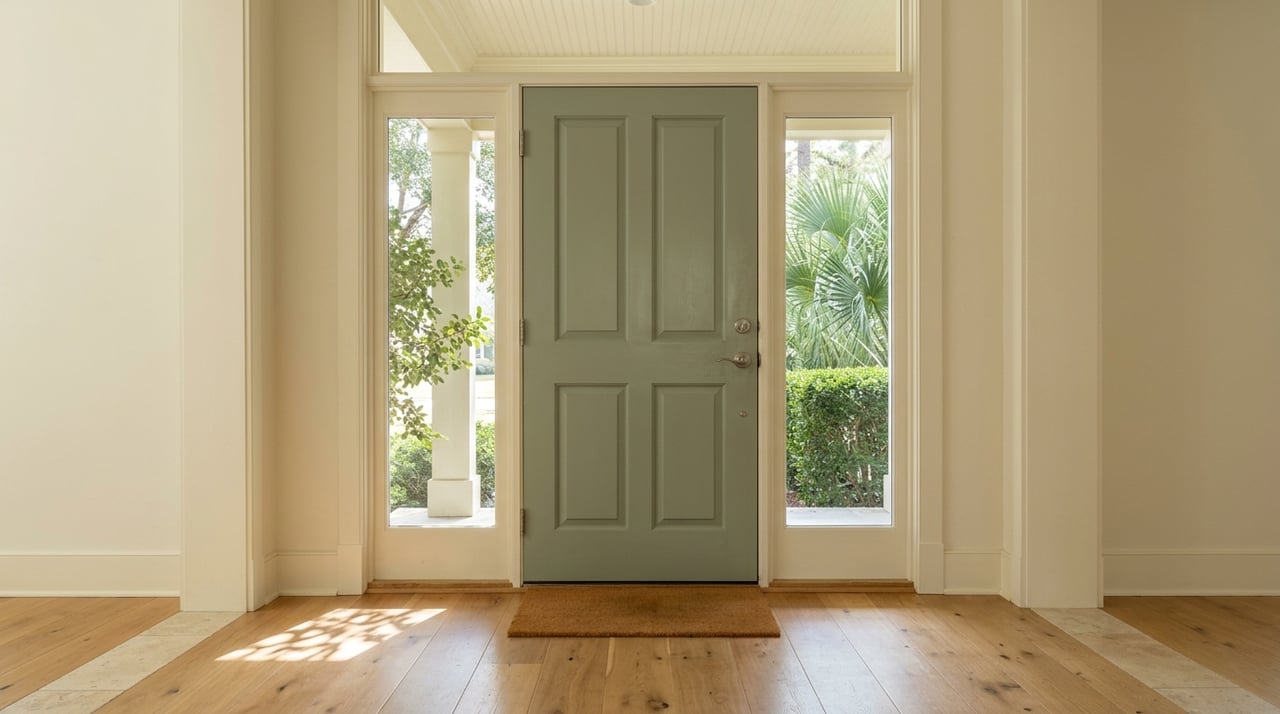
Richmond Hill First-Time Homebuyer Guide: What to Know
July 2, 2026
July 2, 2026
Buying your first home in Richmond Hill can feel exciting and overwhelming at the same time. You want to make a smart move, stay on budget, and avoid surprises, especially in a market where homes still move at a steady pace. The good news is that with the right preparation, you can shop with more confidence and make better decisions from day one. Let’s dive in.
Richmond Hill is a suburban Bryan County market where single-family homes make up about 75 percent of housing types. The city’s housing mix also includes townhomes, duplexes, apartments, and assisted-living housing, but detached homes are the dominant choice. About two-thirds of the housing stock was built after 1990, so many first-time buyers will be looking at newer neighborhoods or resale homes in subdivision settings.
Current market data points to a market that is active but not extreme. Recent trackers describe Richmond Hill as somewhat competitive or balanced, with median days on market ranging from about 26 to 57 days, depending on the source and time frame. Sale-to-list ratios near 98 percent and a solid number of active listings suggest you may need to move with purpose, but you may still have room to compare options and keep important protections in place.
That matters if you are buying for the first time. You are not likely entering a market where every home sparks a frenzy, but you also cannot assume the right home will wait for weeks. Preparation is what gives you the most leverage.
Your budget is more than the monthly mortgage payment. HUD notes that affordability depends on your income, credit rating, current monthly expenses, down payment, and interest rate. In Richmond Hill, Census QuickFacts shows median monthly owner costs with a mortgage of $1,948 and median gross rent of $1,781, which is a reminder that ownership costs can stretch beyond principal and interest.
As you plan, leave room for more than the loan payment. You may also need to cover homeowner insurance, taxes, utilities, maintenance, and upfront closing costs. If you are moving from renting, that full picture can help you decide what payment level actually feels comfortable.
Richmond Hill households also sit in a market with a median household income of $92,824. That does not define what you should spend, but it does help frame the local cost environment. The right number is the one that supports your goals without making your monthly life feel tight.
If you are a first-time buyer, Georgia Dream may be worth exploring. The Georgia Department of Community Affairs says the program is designed for first-time buyers, includes down payment assistance options, and requires homebuyer education. Applicants need a minimum middle credit score of 640 and must meet income and purchase-price limits.
Current state guidance lists a maximum home sales price up to $550,000, subject to area-specific limits. That means some buyers in Richmond Hill may find the program fits both their price range and their need for upfront help. If down payment funds are one of your biggest hurdles, this can be an important path to discuss early.
Because the program has rules and documentation requirements, timing matters. It helps to ask about eligibility before you start writing offers so you understand what is realistic for your search.
Preapproval is one of the smartest first steps you can take. The CFPB says preapproval helps you shop, but it does not commit you to a lender. It gives you a clearer price range and shows sellers that you are a serious buyer.
Just as important, preapproval can help you move faster when the right home appears. In a market like Richmond Hill, where homes can go pending within a few weeks, losing time at the financing stage can put you behind. Having your paperwork in order lets you focus on the house instead of scrambling over the loan.
While your preapproval is in progress, protect it. Georgia DCA advises buyers not to change jobs, add debt, miss payments, or spend money needed to close. Even small financial moves can affect your loan file.
Richmond Hill’s growth pattern shapes what first-time buyers usually tour. Because the city has a strong single-family base and much of the housing stock was built after 1990, you will likely see suburban resale homes and newer subdivision homes more often than condo-heavy inventory. That can be a plus if you want more yard space, a traditional layout, or a newer build feel.
Still, not every home will fit the same lifestyle. Some buyers prioritize square footage, while others care more about lot size, updates, or commute convenience. Having a clear list of needs versus nice-to-haves can keep you focused when multiple homes seem appealing for different reasons.
If you are relocating or balancing work in another area, this step matters even more. A home can look perfect online and still feel wrong once you understand the drive, traffic pattern, or layout in person.
Richmond Hill is a commuter-oriented market, and that should be part of your home search. Census QuickFacts shows a mean travel time to work of 29.8 minutes. The city’s comprehensive planning documents also note congestion on SR144, US17, and the I-95 corridor.
For many first-time buyers, commute quality affects day-to-day happiness as much as the home itself. A property that looks ideal on paper may feel less ideal if getting to work, shopping, or other routine destinations becomes frustrating. That is why a rush-hour drive test can be just as useful as a second showing.
When you tour, think beyond the front door. Ask yourself how the location works with your real routine, not just your weekend routine.
A first showing is your chance to gather more than surface-level impressions. In Richmond Hill, helpful questions include:
These questions can help you compare homes more clearly. Two houses with similar prices can carry very different future costs depending on condition, rules, and location. The goal is not just to find a home you love, but one you can manage comfortably.
When you are ready to make an offer, speed matters, but so does structure. The CFPB recommends using financing and inspection contingencies so you are not forced to close if financing falls through or serious inspection issues appear. For first-time buyers, these protections can make a big difference.
In Richmond Hill’s current market, you may still have room to negotiate while keeping those safeguards in place. That does not mean every seller will agree to every term, but it does mean you should not assume you have to give up important protections just to compete. A thoughtful offer balances appeal and risk.
This is also where local guidance becomes valuable. A clear strategy can help you decide when to act quickly, when to ask for more information, and when to walk away.
Once your offer is accepted, the process shifts from shopping to verification. The home inspection helps you understand the property’s condition, while the appraisal helps the lender confirm value. These are different steps, and both matter.
The CFPB notes that lenders may require a new appraisal when you borrow to buy a home, and you are entitled to receive a copy of lender appraisals and opinions of value. If the appraisal comes in lower than expected, that can affect the loan and trigger more negotiation. If the inspection reveals major concerns, you may need to request repairs, credits, or a different plan.
This stage can feel stressful, but it is also protective. It gives you a chance to slow down, review facts, and make informed decisions before closing.
In Georgia, closings are attorney-supervised. The State Bar of Georgia says the closing of a real estate transaction constitutes the practice of law, so a lawyer must control the process from beginning to end. For first-time buyers, that is helpful context because your closing will involve legal oversight as part of the standard process.
Georgia Consumer Ed says existing-home closings are typically scheduled 30 to 90 days out, while new construction can take longer. Buyers should generally be prepared to bring a certified check, photo ID, and extra personal checks. You may also see prorated taxes, utilities, homeowner insurance, and prepaid interest included in closing costs.
You should also receive the Closing Disclosure at least three business days before closing. The CFPB recommends comparing it with your Loan Estimate and watching closely for wire-fraud scams or sudden payment instruction changes. If something looks off, pause and verify before sending funds.
Closing day is important, but homeownership does not stop there. After you get the keys, you still need to manage taxes, insurance, maintenance, and any local filing steps tied to owner occupancy. Building those tasks into your post-closing plan can make the transition smoother.
If the home will be your primary residence, Bryan County says you may want to consider a homestead exemption. The county requires that you own and occupy the home as your primary residence for 181 days or more on January 1 of the tax year, and you cannot claim homestead elsewhere. Applications can be filed through the tax commissioner’s office in Richmond Hill or Pembroke.
This is a small but important example of why first-time buyers benefit from guidance beyond the offer stage. A smooth purchase is not just about getting to the table. It is about settling in well afterward too.
Buying your first home in Richmond Hill should feel informed, not intimidating. When you understand the local market, set a realistic budget, protect your financing, and ask smart questions, you put yourself in a much stronger position to make a decision you feel good about. If you want patient, local guidance through each step, Jenna Green is here to help.
Stay up to date on the latest real estate trends.



Combining creativity, strategy, and a hands-on approach, Jenna Green is dedicated to creating a real estate experience that feels smooth, authentic, and centered around your success.

Jenna Green | Weichert REALTORS®
[email protected]
M: 850-687-6865
O: (912) 373-7653
9AM - 8PM | MON - SAT
9AM - 7PM | SUN
Richmond Hill, GA 31324