Living on Tybee Island GA: A Guide to Daily Coastal Life
July 16, 2026
July 16, 2026
Dreaming about beach living is easy. Figuring out what daily life actually feels like on Tybee Island is where things get more interesting. If you are wondering whether this coastal spot is just a weekend escape or a place where you can truly settle into a routine, this guide will help you picture the pace, the housing, and the day-to-day logistics. Let’s dive in.
Tybee Island offers a small-town beach setting with a very public, very active shoreline. The city describes the island as roughly three square miles, which helps explain why life here can feel close-knit, walkable in parts, and shaped by the seasons.
At the same time, Tybee is not a private resort community. The beach is public, and the city is clear that it cannot be reserved, blocked off, or made private for events. That creates an everyday atmosphere that feels open, social, and shared.
The city’s Main Street program also points to something important for anyone thinking long term. Its purpose includes supporting a year-round economy while preserving Tybee Island’s architectural character. For you, that means the island is not only built around visitors, but also around people who live, work, and return to the same routines all year.
One of the biggest perks of living on Tybee is how naturally the beach can become part of your week. Instead of saving the shoreline for vacations, you may find yourself planning around morning walks, sunset views, fishing stops, or quick trips to the water between other errands.
Tybee’s public beach access helps make that possible. The city lists Mobi Mats at North Beach, 2nd Street, and 16th Street, along with public beach wheelchairs, which adds to the island’s focus on broader access to the shoreline.
Beach rules also shape how residents use the coast day to day. The city prohibits smoking and vaping, glass containers, pets on the beach, and disturbing dune vegetation. Those rules help preserve the setting and create some clear expectations for how you enjoy the beach responsibly.
On Tybee, your daily transportation habits may look different than they would in a more suburban area. Walking and biking are part of the local rhythm, and tourism guidance also points people toward golf carts and shuttles for getting around.
Golf carts are popular, but they are not a free-for-all. The city says motorized carts have limited use and must be registered and equipped with features like lights, seat belts, a horn, and a T-number. If you are considering island living, it helps to think of golf carts as a regulated convenience rather than a replacement for every vehicle need.
That mix of walking, biking, and short local trips is part of what gives Tybee its easygoing feel. It can simplify your daily routine in some ways, especially if you enjoy staying close to the beach, local dining, and public gathering spots.
Parking is one of the most practical parts of living on Tybee, especially during busy times of year. The city notes there are about 2,100 parking spaces, and public parking is enforced year-round from 8 a.m. to 8 p.m.
The city also offers free parking across the island from Thanksgiving Day through New Year’s Day, while still enforcing safety and no-parking rules. That seasonal change gives a small glimpse into how much island life can shift between quieter months and peak beach periods.
If you plan to live on Tybee full time or own property there, this matters. The city openly warns that busy beach weekends can feel crowded, so it is smart to expect more traffic, tighter parking, and more activity during the height of the season.
Beach access may be the headline, but Tybee’s outdoor lifestyle includes more than sand and surf. Fishing is a steady part of island life, and local tourism information highlights three public piers: Lazaretto Creek, Fisherman’s Walk on the back river, and the Tybee Pier and Pavilion.
Surf fishing is also common, which adds another layer to the island’s everyday pace. Even if you are not an avid angler, those public waterfront spaces contribute to the lived-in, outdoors-first feel of the community.
The Tybee Pier and Pavilion is especially central to that experience. It is open daily, free to enter, and used for fishing, people-watching, picnics, performances, dances, and special events. In many ways, it functions like a casual community gathering place by the water.
If you are hoping for a polished but relaxed coastal lifestyle, Tybee’s dining scene fits that mood. VisitTybee says the island has more than 40 privately owned restaurants offering seafood, American food, island cuisine, Southern favorites, and eclectic fare.
That variety supports the kind of daily living many buyers want from a beach town. You can enjoy local options without expecting the island to feel overly formal or built around chain-heavy commercial strips.
Social life also tends to feel active without losing the small-town atmosphere. Public meetings, community events, and annual favorites like the Polar Plunge, Beach Music Festival, Beach Bum Parade, and Pirate Fest help create a steady community calendar throughout the year.
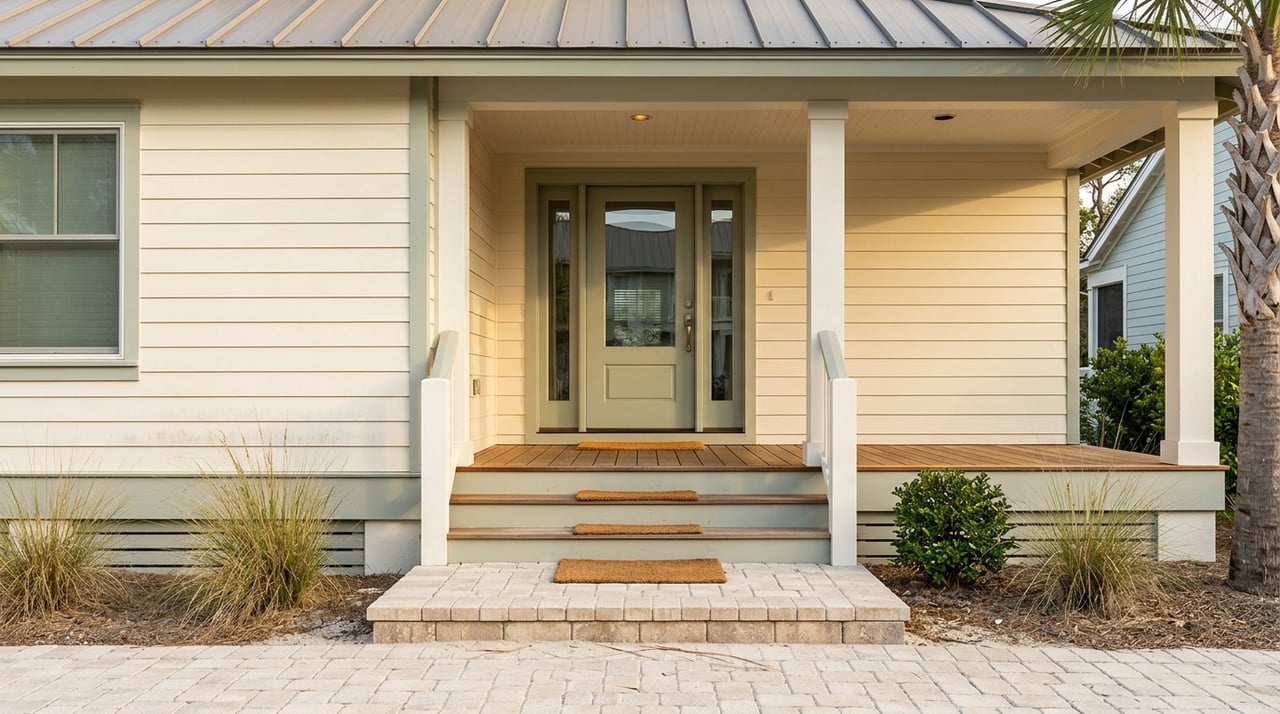
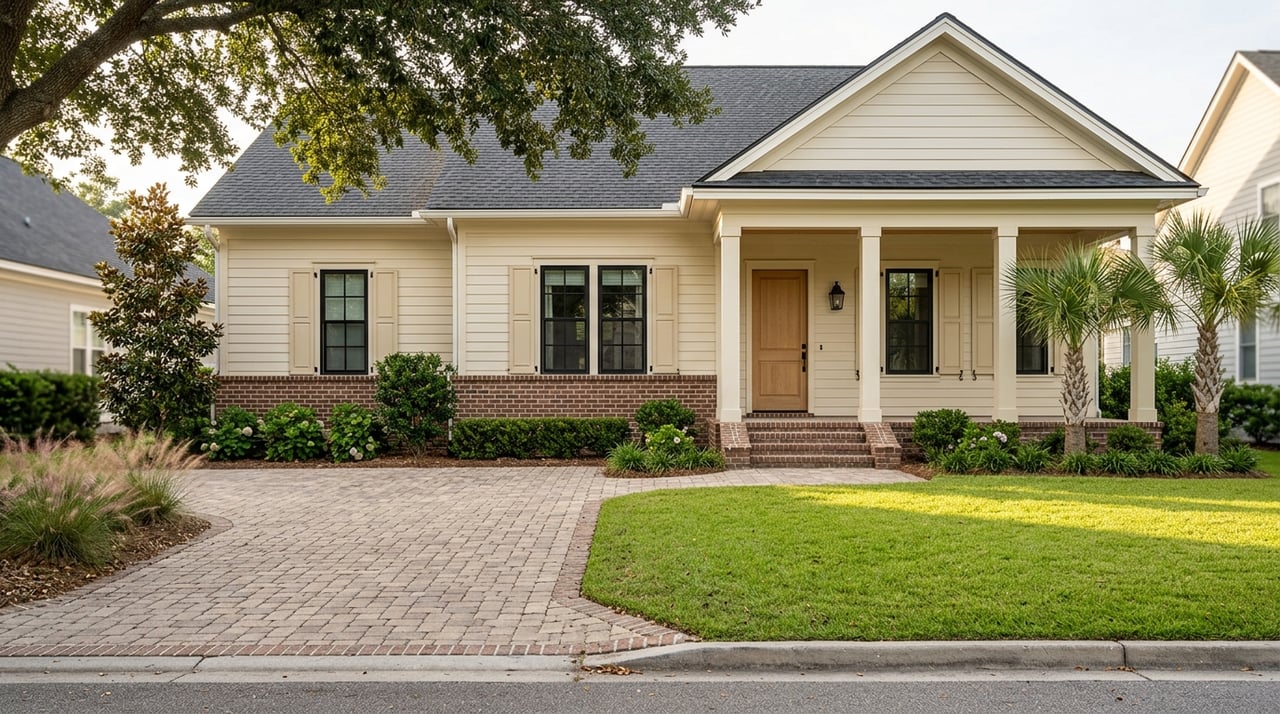
Tybee’s housing stock tends to feel compact, low-rise, and coastal. Instead of large suburban subdivisions, the island is more commonly associated with cottages, condos, and townhouse-style homes.
The city’s Land Development Code helps explain why. The R-1 district is for single-family residential use and can allow guest cottages by special review. The R-2 district is intended for single-family and duplex-style development.
The R-T district is designed for areas where tourists and residents are mixed, and apartments and condominiums over two units may be allowed after special review. The code also defines townhouses as three or more attached single-family units with separate front doors.
For you as a buyer or seller, that means Tybee housing is shaped by land-use rules that balance residential living with the island’s visitor economy. It is one reason the homescape can feel distinct from mainland neighborhoods nearby.
Tybee’s built environment is also influenced by historic preservation. The city’s Historic Preservation Commission identifies historic districts including Strand Cottages, Back River, Fort Screven, and Central Island.
The city says the commission works to maintain the island’s historic fabric. In practical terms, that helps support the coastal character many people notice right away, from cottage-style settings to low-rise residential patterns.
If you are drawn to Tybee, this may be part of the appeal. The island’s housing mix often feels more architectural and place-specific than newer, more uniform developments in other coastal markets.
One of Tybee Island’s biggest strengths is that it feels separate from Savannah without being far away. VisitTybee says the island is about 15 miles from Savannah’s Historic District, which makes it close enough for many buyers who want beach access with city connection.
That said, your daily logistics still matter. Chatham Area Transit says Tybee Island is not served by CAT buses, so regular travel to and from Savannah is mainly handled by private vehicle or shuttle.
This is an important part of the lifestyle decision. If you are relocating or planning a move around commuting, errands, or frequent city access, Tybee offers connection, but not the same public transit setup you might expect in some other areas.
If you are considering a home on Tybee Island, it helps to think beyond the beach photos. Everyday life here is shaped by public access, seasonal traffic, local regulations, and a housing mix that is different from many mainland communities.
A few practical questions can help you narrow your search:
These are the kinds of details that can make a big difference in how well a home fits your everyday life, not just your vacation-day expectations.
If you are selling on Tybee, lifestyle positioning matters. Buyers are often drawn to the island because of its public beach access, casual dining scene, compact layout, and coastal character.
That means clear communication is especially important when presenting a property. Buyers may want to understand not only the home itself, but also how it connects to parking, outdoor routines, golf cart use, beach access, and the island’s overall flow.
A thoughtful marketing approach can help frame the property within the reality of Tybee living. That is often where local guidance and strong presentation make a real difference.
Tybee Island offers a lifestyle that feels breezy, social, and connected to the coast, but it also comes with practical rhythms that are best understood before you move. If you want help exploring homes, understanding how different parts of the island live day to day, or preparing a property for the market, Jenna Green can help you navigate the process with clear communication and personalized guidance.
Stay up to date on the latest real estate trends.
Combining creativity, strategy, and a hands-on approach, Jenna Green is dedicated to creating a real estate experience that feels smooth, authentic, and centered around your success.
Jenna Green | Weichert REALTORS®
[email protected]
M: 850-687-6865
O: (912) 373-7653
9AM - 8PM | MON - SAT
9AM - 7PM | SUN
Richmond Hill, GA 31324